

What Is Forest Bathing?
Forest bathing, also known as shinrin-yoku, is a traditional Japanese practice of slowing down and immersing yourself in the sights, sounds, scents, and atmosphere of a forest.
Despite its name, forest bathing does not actually involve water. Instead, the main idea is to spend time in nature in a mindful, unhurried way.
Rather than rushing through the woods while focusing on exercise or reaching a destination, forest bathing encourages you to slow down. Consequently, you learn to pay closer attention to the natural environment around you.
For example, you might notice the sound of birds, the texture of tree bark, or the fresh scent of the forest floor. Additionally, you can observe sunlight filtering through the leaves or feel the soft ground beneath your feet.
Ultimately, the practice is very simple: spend time in nature, slow down, and engage your senses.

What Does Shinrin-Yoku Mean?
The Japanese term shinrin-yoku is often translated directly as “forest bathing.”
Specifically, the word shinrin means “forest,” while the word yoku means “bath.”
Therefore, the expression refers to bathing in the soothing atmosphere of the forest rather than bathing in water.
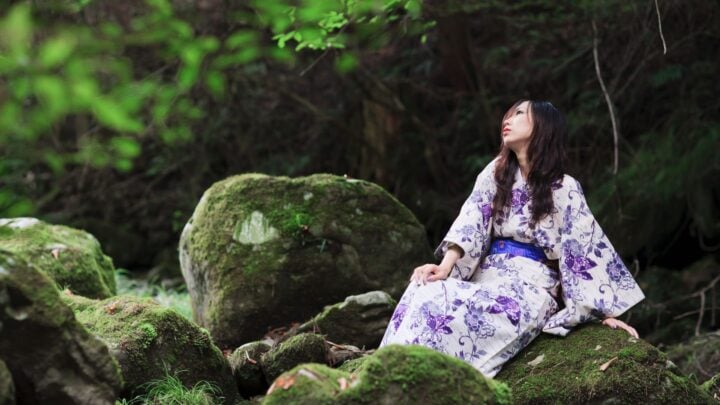
Originally, the practice became popular in Japan during the 1980s as a way to encourage people to spend restorative time in nature. Today, forest bathing has attracted interest around the world as researchers continue to study how natural environments benefit human health.
5 Simple Steps to Practice Forest Bathing
Fortunately, you don't need special equipment or extensive training to try forest bathing. The most important part is simply to slow down and be present in your surroundings.
1. Choose a Natural Setting
First, find a wooded area, forest, park, or other natural environment where you can spend some uninterrupted time. Importantly, you do not need to travel to a remote wilderness area. A local park with mature trees can easily provide an opportunity to connect with nature.
2. Slow Down
Next, try walking much more slowly than you normally would. Because speed is not the goal, you do not need to focus on how many miles you walk or how many steps you take. Instead, give yourself full permission to stop frequently, sit on a bench, or simply stand quietly among the trees.
3. Engage Your Senses
During your walk, pay close attention to your surroundings:
- What can you see right now?
- What sounds can you hear in the trees?
- What natural scents do you notice in the air?
- Can you feel a gentle breeze or the warmth of the sun?
Try to notice the colors, textures, sounds, and scents all around you. In addition, you can gently touch the bark of a tree, feel the texture of a leaf, or notice the solid earth beneath your feet.
4. Put Away Distractions
If possible, silence your phone and set aside other electronic devices. While you don't need to completely eliminate technology from your life, creating a quiet window without constant notifications helps you pay closer attention to the natural world.
5. Allow Yourself to Be Unproductive
Above all, one of the most challenging parts of forest bathing is letting go of the need to accomplish something. Remember that you don't need to reach a set destination, nor do you need to get an intense workout. Furthermore, you don't need to solve any problems while you're outdoors. Instead, simply walk, sit, observe, and allow yourself to rest in nature.
What Are the Potential Benefits of Forest Bathing?
Research on forest bathing and other forms of nature exposure has examined possible effects on stress, mood, blood pressure, heart rate, and other aspects of physical and psychological well-being.
Some studies suggest that spending time in forests may help promote relaxation and reduce feelings of stress. Other research has explored possible effects on cardiovascular measures, mood, and immune-related markers.
However, the scientific evidence is still developing, and the quality of studies varies. Forest bathing should be viewed as a potentially beneficial way to spend time in nature rather than as a medical treatment or a guaranteed way to prevent or treat illness.
Forest Bathing and Stress
One of the most commonly discussed potential benefits of spending time in nature is relaxation.
Slowing down, reducing distractions, and spending time in a natural environment may help support a calmer state of mind.
Even the simple act of taking a break from a busy schedule and spending quiet time outdoors can be a valuable form of self-care.
Forest Bathing and Mood
Time spent in nature may also be associated with improvements in mood and psychological well-being.
A forest bathing experience can provide an opportunity to step away from daily responsibilities and spend time focusing on the present moment.
Can Forest Bathing Boost the Immune System?
Some research has examined whether forest bathing may influence immune-related markers, including natural killer cell activity.
This research is interesting, but it is important not to overstate the findings.
Forest bathing has not been established as a treatment for illness, and more research is needed to understand exactly how spending time in forests may affect the immune system.
A more accurate way to think about forest bathing is as one potentially beneficial way to spend time in nature and support overall well-being.
How Long Should You Practice Forest Bathing?
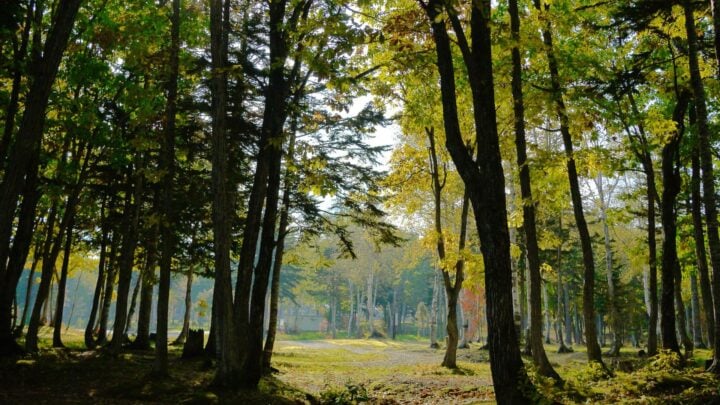
There is no single required amount of time.
Some people may spend several hours in a forest, while others may only have 20 or 30 minutes available.
The most important thing is to find an amount of time that is realistic for you.
A short, mindful walk through a local wooded park may be more beneficial for your routine than waiting for the opportunity to spend an entire day in a remote forest.
The goal is not to create another obligation or something to check off your list.
Instead, try to find ways to incorporate more time in nature into your life in a way that feels enjoyable and sustainable.
You Don't Need to Be an Experienced Hiker
Forest bathing is not the same as hiking.
You don't have to climb a mountain, walk a long distance, or be in excellent physical condition.
Forest bathing can be adapted to many different environments and abilities.
You might:
- Walk slowly along a forest path
- Sit beneath a tree
- Spend time in a botanical garden
- Visit a local park
- Listen to birds
- Observe the trees and plants around you
- Spend a few quiet minutes outdoors
The important thing is to slow down and engage with your surroundings.
What to Bring Forest Bathing
There ism't much equipment needed to practice forest bathing.
Depending on where you are going, you might bring:
- Comfortable walking shoes
- Water
- A light jacket or weather-appropriate clothing
- Insect repellent when appropriate or check out my blog post on How to make your own tick repellent
- A small backpack
- A journal if you enjoy writing
- A lightweight sitting pad if you plan to sit on the ground
The goal is to keep the experience simple. Forest bathing is about connecting with nature rather than bringing a large collection of equipment.
Forest Bathing Is an Invitation to Slow Down
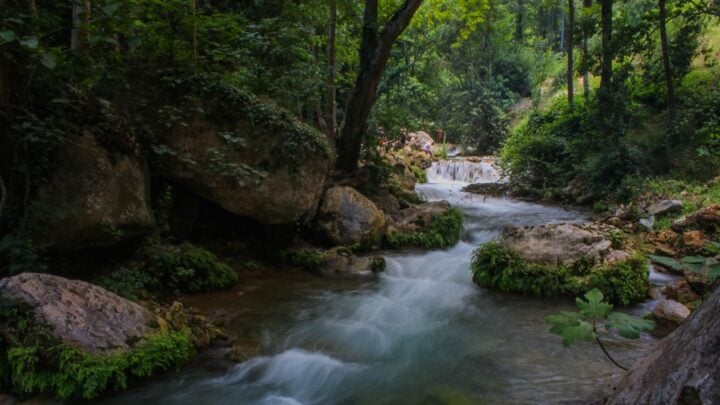
Modern life often encourages us to move quickly from one task to the next. Forest bathing offers a simple alternative: slow down and pay attention. You do not need to live next to a vast wilderness area or spend an entire day in the forest.
You can begin by visiting a local park, taking a slower walk beneath the trees, or simply sitting quietly outdoors for a few minutes.
The next time you are surrounded by trees, try putting away your phone, slowing your pace, and engaging your senses.
You may be surprised by how different the experience feels when you are not rushing to get somewhere.
Sources and Further Reading
If you’re interested in the science behind forest bathing and nature exposure, we recommend exploring the research cited in the related video and the scientific literature on forest bathing, shinrin-yoku, and the health effects of spending time in natural environments.
https://pubmed.ncbi.nlm.nih.gov/17903349
https://www.health.harvard.edu/blog/can-forest-therapy-enhance-health-and-well-being-2020052919948
https://www.ncbi.nlm.nih.gov/pmc/articles/PMC6589172
Recommended Reading
If you would like to learn more about the practice of forest bathing and the Japanese concept of shinrin-yoku, you may also enjoy exploring books on forest bathing and mindful time spent in nature.
Affiliate Disclosure
This post may contain affiliate links. If you purchase a product through one of these links, we may receive a small commission at no additional cost to you. We only recommend products we believe may be useful or relevant to our readers.
Leave a Reply