

Have you ever felt that when your gut is off, everything else seems off too—your mood, your focus, even your energy? There’s growing evidence of a food and mood relationship. Your gut isn’t just about digestion—it’s deeply connected to your brain. In fact, scientists refer to it as the gut-brain axis, and the balanced ecosystem of microorganisms in your gut, often called your gut microbiome, plays a key role in mental health.
In this post, we’ll explore the strong link between gut bacteria and mental health, and how what you eat influences that connection. You'll discover delicious, gut-friendly vegan recipes that support both your gut and your mood. Whether you’re new to gut-health cooking or want to deepen your wellness routine, these ideas will help you feel better from the inside out.
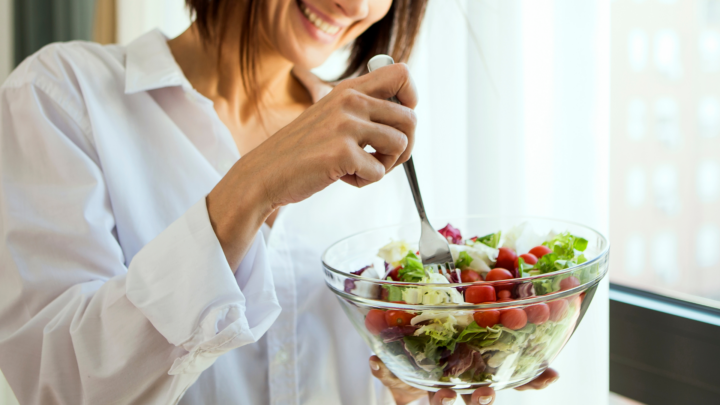
Importance of Gut Health
Your gut is home to trillions of bacteria that do far more than digest your food. These microbes help produce vitamins, regulate your immune system, and even communicate with your brain. Through the vagus nerve, immune signals, and metabolic by-products, your gut microbiome sends messages that can directly influence mood, focus, and energy levels.
While some foods nourish your microbiome, others can harm it. Highly processed foods, refined sugars, artificial sweeteners, and excessive alcohol are among the worst foods for gut health. They feed harmful bacteria and damage the gut lining, leading to inflammation and poor nutrient absorption. Over time, this imbalance — known as dysbiosis — can contribute to fatigue, digestive discomfort, and mood swings. If you've ever experienced gut inflammation symptoms I don't have to tell you how challenging it can be!

Therefore, when you read about the gut bacteria mental health link, know that it’s not just a trendy wellness phrase—it’s rooted in real biology. For example, regarding the brain-gut connection, anxiety has been shown to increase as a result of gut inflammation sending signals to the brain. And while food isn’t a cure-all, what you put on your plate can support a more resilient mood and sharper mind. Bring on the anti-inflammatory foods!
Why Plant-Rich Foods Support Your Gut (and Mood)
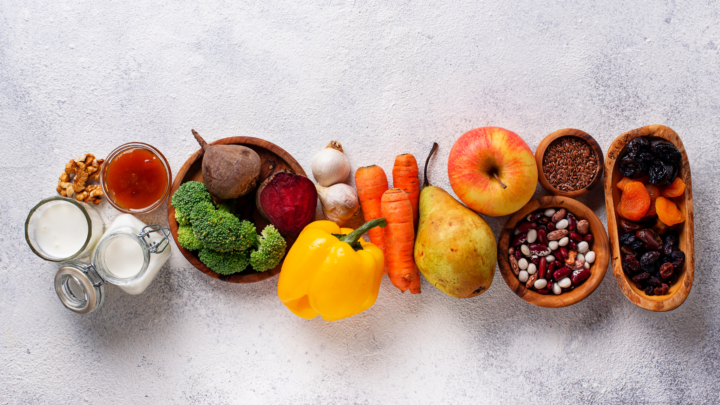
Eating a diet rich in fiber, whole plants, and minimally processed foods gives your gut the fuel it needs for good bacteria and optimal health. Here’s why:
- Prebiotic fibers (in foods like oats, beans, lentils, garlic, onions) feed beneficial microbes and help them thrive.
- Polyphenols and plant compounds (found in leafy greens, berries, herbs) nourish your microbiome and lower inflammation.
- Fermented foods and those with live cultures help maintain healthy microbial diversity.
- When you rely less on highly processed foods and more on whole-plant meals, you cut down on sugars and additives that can negatively affect gut bacteria—and by extension, your mood.
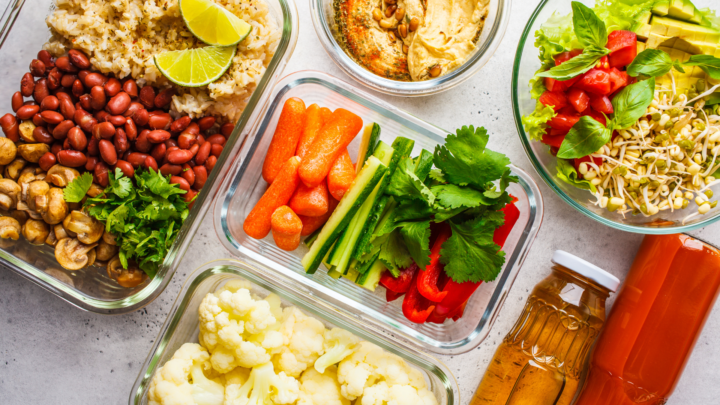
At Natural Kitchen Cooking School, the emphasis on nourishing, whole-food recipes aligns perfectly with supporting the gut-brain link. You’ll find meals that feel comforting, but are also functionally supportive of mental and digestive wellness.
Food and Mood: 8 Mood-Supporting Recipes to Try
Here are eight vegan recipes that are not just delicious—they’re crafted to support your gut and mood naturally. These align with the Natural Kitchen Cooking School philosophy of wholesome cooking that feels good.
- Homemade Pickles – Layered DIY jars of crisp, fermented veggies with live cultures and hearty fiber.
- Hearty Lentil + Vegetable Stew – Lentils are rich in prebiotic fiber; combined with root veggies and herbs for warmth and comfort.
- Overnight Oats with Chia & Berries – A make-ahead breakfast packed with fiber and plant compounds; perfect for a steady mood.
- Roasted Potatoes and Carrots - Simple, comforting, and easy to make in large batches, this recipe is perfect for busy weeks. The natural sweetness of carrots pairs beautifully with golden, crispy potatoes.
- Vegan Potato Soup – This cozy, creamy soup is made from simple, inexpensive ingredients like potatoes, onions, and carrots. It reheats beautifully and freezes well for future meals.
- Heart-Healthy Curried Pumfu Stir-Fry – A flavorful one-pan meal made with “pumfu,” a tofu alternative packed with protein. Great for busy weeknights.
- Butternut Squash Coconut Milk Soup – Butternut squash brings color and nutrients; you can add turmeric as anti-inflammatory support for brain health.
- Kidney Bean Stew - A hearty and nourishing dish made with tender kidney beans, aromatic spices, and wholesome vegetables, this vegan kidney bean stew is pure comfort in a bowl.
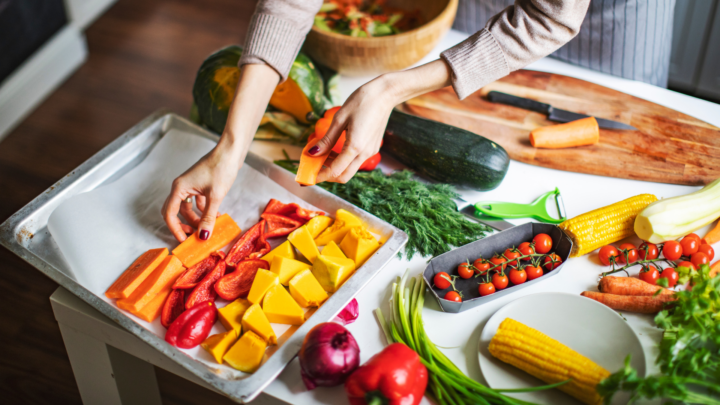
Note: While you prepare these meals, aim for variety in texture, color, and plant-types—diversity in your food mirrors diversity in your gut, which is a good thing.
How to Make This Work Weekly
You don’t need to overhaul your kitchen. Here’s a simple rhythm to support your gut-brain link through food:
- Plan 3 meals and 1 snack/dessert ahead. Choose two recipes from the list above and double one so you have leftovers.
- Set aside one prep session (90-120 minutes) mid-week or on the weekend. Chop veggies, cook grains, portion stew or curry.
- Include a fermented or live-cultured food each day—even one teaspoon of miso or one spoon of sauerkraut counts.
- Focus on color and fiber. At every meal, aim for vegetables + legumes + whole grain (or substitute as needed).
- Mind your stress and sleep. Good gut health supports mental health, but so do rest, connection, and reduced external stress.
With this structure, you’re aligning your meals and your lifestyle to support your mood, your gut, and your overall wellness.
Troubleshooting & Common Questions
- “My gut feels worse when I add more veggies.” Start slow. Ease into higher-fiber foods, drink plenty of water, and chew thoroughly.
- “Fermented foods upset me.” Try mild, well-cooked options like miso or tempeh first, then gradually add raw fermented foods.
- “I don’t always cook.” That’s okay. Try one of the recipes and use the rest as inspiration for plates you assemble store-bought grains + roasted veggies + greens + add-on.
- “My mood still fluctuates.” If you've ever wondered, "Can stress cause gastrointestinal problems?" the answer is yes. Chronic stress can also play a role in developing digestive issues according to the National Institute of Health. Food is one piece of the puzzle. Gut health supports, but doesn’t replace rest, therapy, movement, and connection.
Final Thoughts
When we talk about food, mood and the gut bacteria and mental health link, we’re really exploring how deeply food influences the body and mind. The microbes in your gut don’t just digest what you eat — they also create compounds that affect mood, focus, and emotional balance. In essence, you are what you eat, but also what your microbes eat.
Supporting your gut with nutrient-dense, plant-based meals can promote both calm digestion and a more stable mood. Research even suggests that gut imbalances may play a role in certain neurological and developmental conditions, including autism, where maintaining a healthy microbiome may help support overall well-being and behavior regulation. There is ongoing research exploring specific autism gut issues and the gut-brain-microbiotia connection in autism spectrum disorder.
By choosing whole, fiber-rich, and minimally processed foods, you’re feeding the good bacteria that help your brain and body function at their best. A balanced gut sets the stage for clearer thinking, steadier emotions, and improved vitality — proving that true wellness begins from within.
Leave a Reply